Understanding Mental Health
Mental Health Facts
We all know that there has been a lot of media spotlight on the mental health of the nation recently, including that of our most precious resource, our children. Whilst the issues have always been there, it is surprising to most of us to hear that today 1 in 5 children are now considered to have some form of psychological problem, and 1 in 10 have a mental health problem. However, like many physical problems in life, poor mental health prevention is as important as the cure. Play Therapy can help many children cope with, or develop new resilience to deal with, their own personal challenges or traumas in their lives.
According to Play Therapy UK (PTUK), play therapy is effective for between 74% and 83% of children, when delivered to PTUK standards. See the latest research and information on play therapy at PlayTherapy.org.uk .
Signs a Child May Need Additional Support
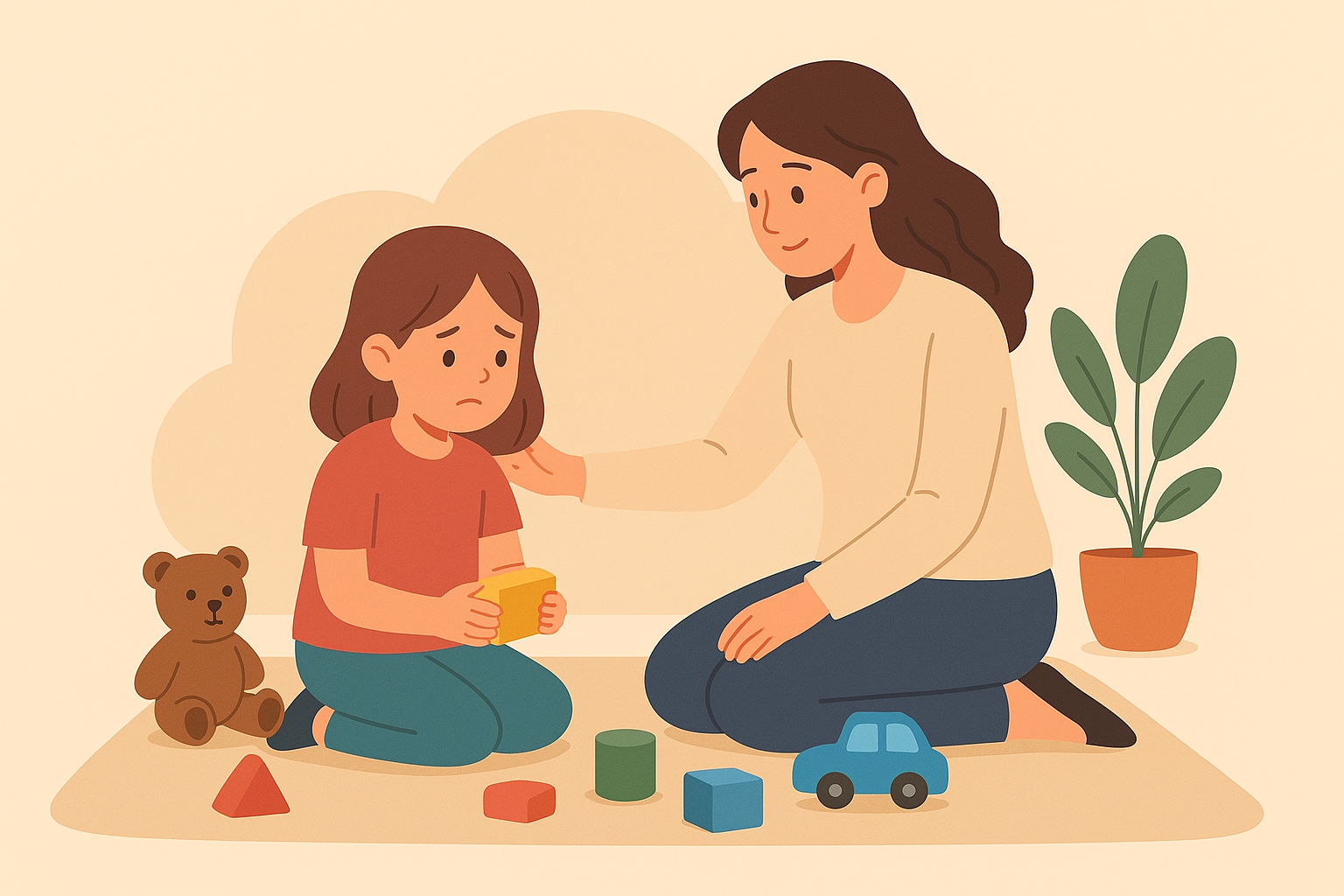
Every child responds differently to difficult experiences. Parents, carers and teachers may notice changes in a child's emotions, behaviour, relationships, sleep, confidence or engagement with school.
- Becoming unusually withdrawn or quiet
- Frequent anger, distress or emotional outbursts
- Changes in sleeping or eating habits
- Difficulty concentrating or participating at school
- Loss of interest in activities they previously enjoyed
- Increased worry, fear or reluctance to separate from trusted adults
- Difficulty forming or maintaining relationships
- A noticeable change from their usual behaviour
These signs do not necessarily mean that a child has a mental health condition. However, persistent or significant changes may indicate that they would benefit from additional support.
Why Children Communicate Through Play
Children may not always have the words to explain difficult feelings or experiences. Play provides a natural and familiar way for children to communicate, explore emotions and make sense of what is happening around them.
Through creative activities and play, children can express themselves at their own pace without feeling pressured to explain everything verbally.